
Summer has a way of putting your skin through the wringer. Sunscreen gets layered on multiple times a day, sweat mixes with oil, and long hours outdoors can leave your complexion looking dull, uneven, and congested. It’s no surprise that many people start searching for ways to refresh their skin right in the middle of the hottest months of the year.
One treatment that often enters the conversation is the chemical peel. Known for improving texture, brightness, and overall skin quality, chemical peels have become a go-to solution for patients looking to hit reset on tired-looking skin. Yet summer also comes with a lot of confusion. Some people believe all peels should be avoided until winter. Others assume every peel is safe regardless of how much sun exposure they get.
The truth falls somewhere in the middle. A chemical peel can absolutely be part of a summer skincare plan, but timing, peel selection, and aftercare matter more than ever. Understanding what is safe and what should wait can help patients make smarter decisions and protect their results.
If you’re considering a chemical peel during peak sun season, keep reading. Knowing the difference between the right peel and the wrong timing can make all the difference.
The Peel Breakdown
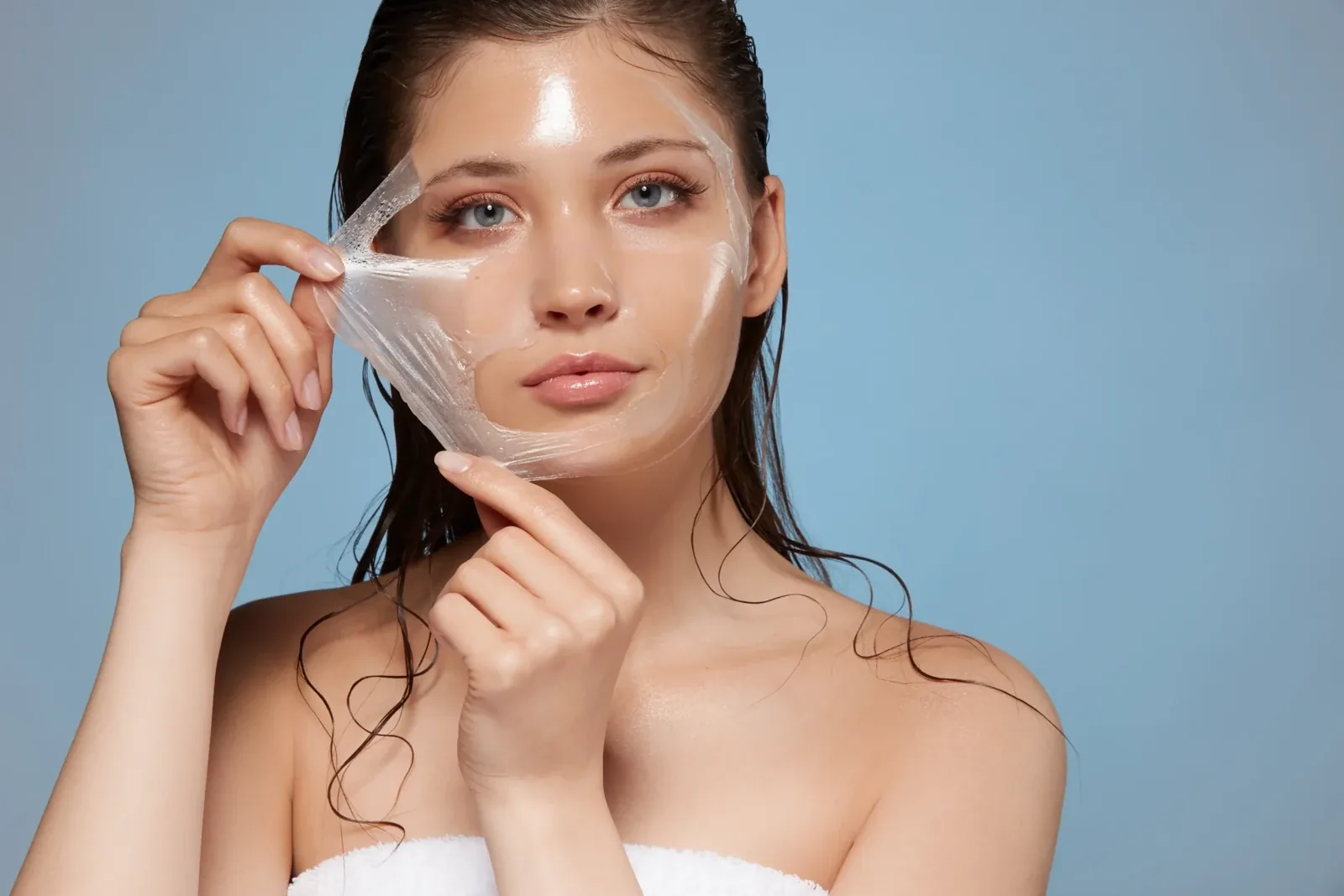
Before discussing summer safety, it’s important to understand what chemical peels actually do. Chemical peels are professional skin treatments that use carefully selected acids and active ingredients to exfoliate the skin and encourage cellular turnover.
By removing damaged surface cells, peels help reveal fresher, healthier-looking skin underneath. Depending on the formula and strength, a chemical peel may target concerns such as:
- Uneven skin tone
- Sun damage
- Acne and congestion
- Fine lines
- Hyperpigmentation
- Rough texture
- Dullness
- Mild acne scarring
Not all peels work the same way. Different formulations penetrate to different depths, which is why consultation and treatment planning are so important. Chemical peels generally fall into three categories:
- Superficial peel treatments that target the outermost layer of skin
- Medium-depth peels that address more significant pigmentation and texture concerns
- Deeper peels designed for advanced skin rejuvenation
A medical-grade peel can be customized based on a patient’s skin condition, goals, lifestyle, and time of year.
Summer Doesn’t Automatically Mean No
One of the biggest misconceptions surrounding chemical peels is that they are completely off-limits during summer. That simply isn’t true.
What matters isn’t the season itself. What matters is how much sun exposure a patient receives, how deep the peel is, and whether proper peel aftercare is followed. Patients who spend all day boating, hiking, golfing, or lounging poolside may need a different treatment approach than someone who spends most of their day indoors.
A summer chemical peel can be perfectly appropriate when chosen strategically and performed with proper guidance. The key is selecting treatments that work with your lifestyle rather than against it.
Safe Choice: Light Peels
Let’s start with what is generally considered the safest category during warmer months.
A light peel, sometimes called a superficial peel, focuses primarily on the outer layer of skin. These treatments provide gentle exfoliation while requiring less downtime than deeper resurfacing procedures.
Because they are less aggressive, light peels are often a popular option during summer. Benefits may include:
- Brighter skin
- Smoother texture
- Improved radiance
- Mild pigment correction
- Reduced congestion
- Better product absorption
Many patients seeking a chemical peel in Pleasanton choose lighter options during summer because they can refresh the complexion without significantly disrupting outdoor activities.
That doesn’t mean sunscreen becomes optional. It simply means the skin barrier typically recovers more quickly compared to deeper peels.
Safe Choice: Brightening Treatments
Summer often highlights pigmentation concerns. Sun exposure can make discoloration, melasma, and uneven tone appear more noticeable. For that reason, many patients seek treatments that support skin brightening rather than aggressive resurfacing.
Certain exfoliating peel formulations focus on improving clarity and brightness while maintaining a more conservative approach. These treatments can help address:
- Dull skin
- Mild sun damage
- Uneven tone
- Early discoloration
- Post-inflammatory pigmentation
When selected appropriately, they can provide meaningful improvement without the extensive peeling associated with stronger procedures.
Safe Choice: Acne-Focused Peels
Heat, sweat, sunscreen, and increased oil production can create the perfect environment for breakouts. Many patients experience worsening acne during the summer months, making targeted chemical peels a valuable option.
Acne-focused peels often help by:
- Unclogging pores
- Removing dead skin cells
- Reducing excess oil
- Supporting skin renewal
- Improving overall clarity
For patients dealing with seasonal congestion, a carefully selected skin texture peel may offer noticeable improvement while remaining compatible with summer skincare routines.
Proceed Carefully: Medium-Depth Peels
This is where treatment planning becomes more individualized.
Medium-depth peels typically penetrate further into the skin and create more significant exfoliation. These treatments can produce excellent results for pigmentation, fine lines, and textural concerns, but they also increase sensitivity to UV exposure.
That doesn’t automatically make them inappropriate. However, patients considering these treatments should be realistic about their lifestyle. Questions worth asking include:
- Will you be spending extensive time outdoors?
- Do you have upcoming vacations?
- Are you willing to be diligent with sun protection?
- Can you avoid direct sun exposure during recovery?
For some patients, medium-depth treatments remain appropriate. For others, postponing until fall may be the smarter decision.
Better to Wait: Deep Resurfacing
Not every treatment belongs in every season. Deep resurfacing procedures often require more extensive healing and significantly increase vulnerability to sun damage during recovery.
For patients planning beach trips, outdoor sports, or frequent sun exposure, these treatments are often better reserved for cooler months. Waiting isn’t a setback.
In many cases, delaying treatment allows patients to achieve better outcomes while reducing the risk of complications related to peel and sun exposure. The goal is not simply getting a treatment done. The goal is to get the best possible result.
Why Sun Protection Matters More After a Peel
One reason chemical peels generate concern during summer is that freshly treated skin becomes more vulnerable to environmental damage.
Following treatment, the skin is actively renewing itself. During this period, UV exposure can interfere with healing and contribute to unwanted pigmentation changes. Without proper protection, patients may experience:
- Increased sensitivity
- Hyperpigmentation
- Delayed healing
- Redness
- Uneven results
This is why peel safety depends heavily on what happens after treatment. The peel itself is only part of the process. Recovery plays an equally important role.
The Aftercare Advantage
The best summer peel candidates are often the patients who take aftercare seriously. Proper peel aftercare typically includes:
- Daily broad-spectrum sunscreen
- Protective clothing
- Wide-brimmed hats
- Avoiding direct sun exposure
- Gentle skincare products
- Consistent hydration
These habits help protect newly revealed skin and support optimal healing. Patients who commit to these practices can often enjoy excellent outcomes even during warmer months.
Make Summer Work for Your Skin
A chemical peel doesn’t have to sit on the sidelines just because temperatures rise. The key is understanding which treatments fit summer lifestyles and which are better saved for another season. Lighter peels, brightening treatments, and carefully selected exfoliation options can help maintain healthy, radiant skin while supporting safe summer skincare practices.
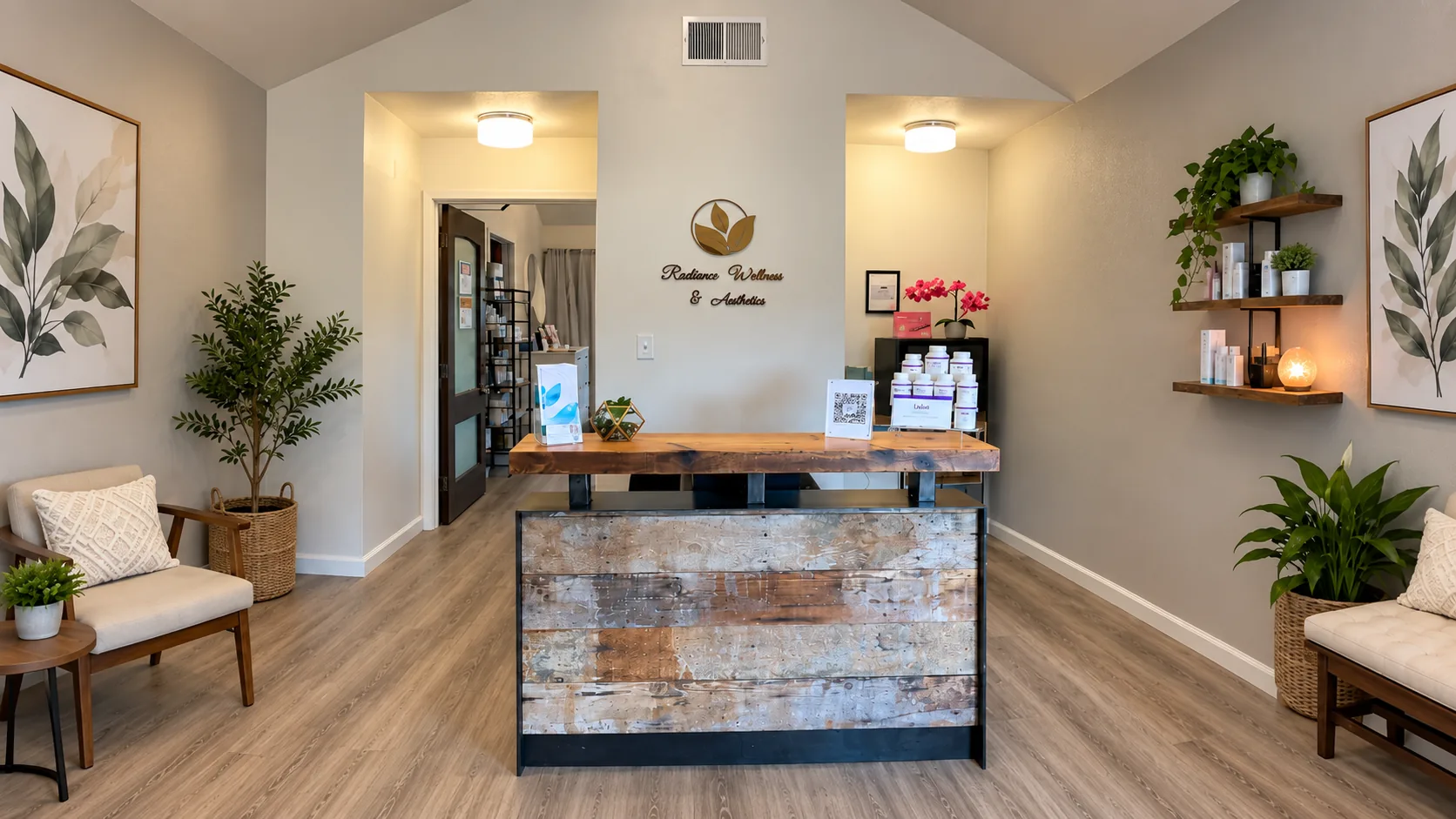
At Radiance East Bay Aesthetics in Pleasanton, CA, patients receive personalized guidance designed to match their goals, skin condition, and lifestyle. Whether you’re considering your first chemical peel or looking to refresh your complexion during peak sun season, the right strategy can help you enjoy healthier, brighter skin all year long.
Call us today to schedule your consultation!